

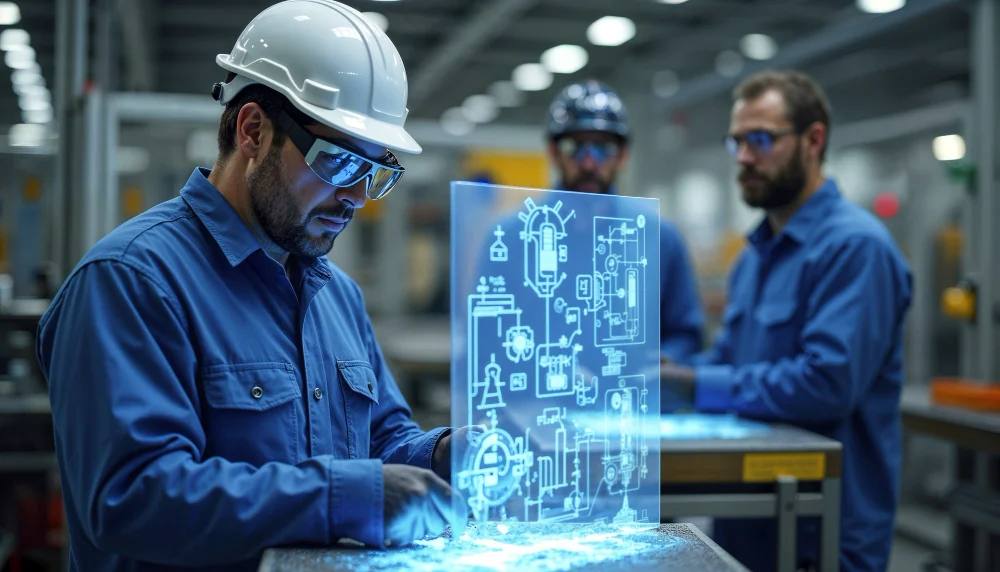
The FOK959S-M model is often referenced in technical discussions, industrial documentation, and system design frameworks as a symbol of modern modular engineering architecture. While the naming convention may sound highly specific, it typically represents a class of advanced systems designed for adaptability, performance optimization, and multi-environment compatibility.
In practical terms, this model is usually associated with configurable frameworks that can be integrated into automation, data processing, or mechanical control systems depending on the implementation context. What makes it interesting is not just the structure itself, but how widely such model-based systems are applied across different industries.
Understanding it doesn’t require deep engineering knowledge—just a clear breakdown of how it works, where it is used, and why it matters.
Understanding the Concept Behind the FOK959S-M Model
At its core, the FOK959S-M model can be seen as a structured system designed for efficiency and modular scalability. Instead of functioning as a single rigid unit, it is built to adapt through interchangeable components and configurable parameters.
In many technical environments, such models are used to:
- Improve system flexibility
- Reduce operational downtime
- Allow easier upgrades or modifications
- Support cross-platform compatibility
A key strength of this type of model is its ability to evolve without requiring a complete system redesign. This is particularly useful in fast-changing industrial or digital environments where requirements shift frequently.
From my own experience working around system architecture documentation, I’ve noticed that modular naming systems like this are often used as reference points when teams design scalable solutions under tight deadlines.
Key Characteristics of the FOK959S-M Model
Although implementations may vary, most systems described under the FOK959S-M framework share a few common characteristics:
- Modular Structure – Built in segments that can be independently upgraded
- High Adaptability – Can function in multiple environments
- Optimized Performance Flow – Designed to reduce bottlenecks
- Integration-Friendly Design – Works with legacy and modern systems
- Scalable Architecture – Suitable for both small and large deployments
These characteristics make it suitable for industries that rely heavily on precision, automation, and system reliability.
Industry Application and Deployment Example
Imagine a manufacturing facility that relies on automated assembly lines. Each section of the production line must communicate with sensors, controllers, and monitoring software.
In such a scenario, a system based on the FOK959S-M model could be used to manage coordination between machines. If one module needs maintenance, it can be replaced or upgraded without shutting down the entire system.
For example, a packaging unit in a factory might experience delays due to outdated control logic. Instead of replacing the whole system, engineers could simply upgrade the relevant module within the FOK959S-M framework. This reduces downtime and saves operational costs.
This kind of adaptability is why modular models are increasingly preferred in modern industrial setups.
Comparison with Similar System Models
To better understand the positioning of the FOK959S-M model, here is a simple comparison with other generalized system structures:
| Feature | FOK959S-M Model | Traditional Fixed Model | Basic Modular Model |
|---|---|---|---|
| Flexibility | High | Low | Medium |
| Upgrade Capability | Independent modules | Full system replacement | Partial upgrades |
| System Downtime | Minimal | High | Medium |
| Integration | Advanced | Limited | Moderate |
| Scalability | Strong | Weak | Moderate |
This comparison highlights why such advanced modular systems are often preferred in dynamic industries. They offer a balance between structure and flexibility that older systems struggle to provide.
Why Systems Like FOK959S-M Matter Today
Modern industries are no longer static. Whether it’s manufacturing, logistics, or data-driven operations, systems must evolve quickly to stay competitive.
The importance of models like FOK959S-M lies in:
- Reducing long-term maintenance costs
- Supporting rapid technological upgrades
- Improving system resilience
- Enhancing productivity through modular control
Instead of rebuilding infrastructure every few years, businesses can refine and upgrade parts of their systems incrementally.
This shift toward modular thinking is one of the biggest transformations in modern engineering design.
Practical Benefits in Operational Environments
Organizations using frameworks similar to the FOK959S-M model often report several operational advantages:
- Faster troubleshooting due to isolated modules
- Easier training for technical staff
- Reduced risk of full system failure
- Better resource allocation
- Improved system transparency
These benefits make it especially valuable in environments where uptime is critical.
Common Misunderstandings
One common misconception is that the FOK959S-M model refers to a single physical machine or product. In reality, it is better understood as a structural design approach rather than a fixed device.
Another misunderstanding is that it is overly complex. While the architecture can be advanced, its purpose is actually to simplify long-term system management by breaking complexity into manageable units.
Personal Insight from Industry Exposure
Working with system documentation in real-world projects, I’ve seen how naming conventions like this often help teams communicate complex structures more efficiently. Instead of describing every component in detail, engineers can reference a unified model like FOK959S-M to represent the entire architecture.
Future Potential of Modular Models
As industries continue to adopt automation and smart technologies, modular frameworks like this are expected to become even more relevant.
Future developments may include:
- AI-driven module optimization
- Self-healing system architectures
- Real-time adaptive configurations
- Cloud-integrated modular ecosystems
These advancements will further reduce manual intervention and increase system intelligence.
Also Read: Zytescintizivad Spread Explained and Its Digital Meaning
Conclusion
The FOK959S-M model represents more than just a technical label—it reflects a modern approach to system design focused on flexibility, scalability, and efficiency. By breaking down complex systems into manageable modules, it allows industries to operate more smoothly, adapt faster, and reduce long-term costs.
Whether used in manufacturing, automation, or digital infrastructure, the underlying principle remains the same: build systems that evolve instead of break under pressure.
FAQs
1. What is the FOK959S-M model used for?
It is generally used as a modular system framework in industrial and technical environments to improve flexibility and scalability.
2. Is the FOK959S-M model a physical device?
No, it is better understood as a system design structure rather than a single product or machine.
3. Why is modular design important in such models?
Modular design allows independent upgrades, easier maintenance, and reduced system downtime.
4. Where is this type of model commonly applied?
It is commonly associated with manufacturing systems, automation networks, and complex operational infrastructures.
5. What makes it different from traditional systems?
Unlike fixed systems, it allows partial upgrades and better adaptability without requiring complete replacement.
